
Family
Preparing an Emergency Kit with Young Children
2 min read · Last reviewed 20 September 2026
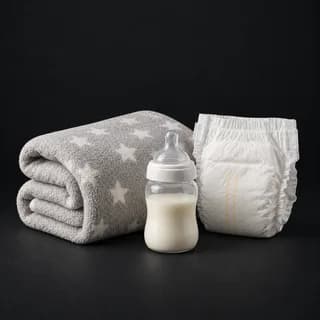
Children cope best when adults stay calm and the routine stays roughly familiar. Pack comfort items, enough nappies and wipes, and a written note of feeding and medicine details. Involve older children in packing so they know where the torch lives.
Calm is part of the kit
Children cope well when the adults around them are calm and the routine is roughly familiar, so plan for comfort as much as supplies.
Pack a duplicate comfort item if you can. A familiar toy or dummy is worth more at 2am than almost anything else in the bag.
Babies need the hard-to-improvise items
Keep a written note of weight, any prescribed medicines and doses, the feeding routine and your GP or health visitor number. This is a note for whoever is caring for them, not a substitute for medical advice.
If you use formula, keep a sealed spare of your usual brand. Ready-to-feed cartons avoid needing clean water and sterilising equipment during an outage.
- Nappies and wipes for the period you are covering, plus a margin
- Two changes of clothes and a warm layer
- Your usual feeding plan, written down
- A spare comfort item
Involve older children
Involve older children in building the kit. Knowing where the torch lives makes a power cut an adventure rather than a fright.
Quantities of water, food and blankets scale with the household. Equipment usually does not: a torch each is worth it, a second radio is not.
What this means for your list
In the builder, set the child count and tick baby if that applies. The list will add the right extras instead of leaving you to remember them under stress.
Build a family list
Add children or a baby in the builder and we will work out quantities and the extras that change the list.
Build My Emergency KitCommon questions
- What should I add to an emergency kit for a baby?
- Nappies, wipes, clothes, warmth, your usual feeding supplies, a comfort item, and a written note of routine, weight and any prescribed medicines.
- Should I stockpile prescription medicine for children?
- No. Speak to your GP or pharmacist about supplies. A written list of medicines and doses is the useful thing to keep with the kit.
- How do I talk to children about preparing?
- Keep it practical and calm: where the torch is, what happens if the lights go out, and that you have a plan. Avoid frightening detail.
Useful sources
- Prepare (GOV.UK)
- Get prepared for emergencies (GOV.UK Prepare)
My Emergency Kit is an independent service and is not affiliated with or endorsed by the UK Government or emergency services. Our suggestions are general information for UK households, not professional, medical or emergency advice. In an emergency call 999.
Keep reading
- What to do in a power cutThe first things to check, who to call, why the fridge should stay shut, and what to do if it goes on for hours.
- How much water should you store?A simple rule of thumb, what it comes to for your household, how to store it without losing a cupboard, and what to do under a boil notice.
- What to put in a grab bagThe short list for a bag you could pick up and leave with: what belongs in it, what does not, and how heavy it should actually be.
- A sensible winter car kitThe handful of items that turn a roadside wait into an inconvenience: being seen, staying warm, and keeping the phone alive.
- Reviewing your kit twice a yearTen minutes, twice a year, keeps a kit from quietly expiring: dates, batteries, the power bank, and anything borrowed.