
Car
A Sensible Winter Car Kit
2 min read · Last reviewed 20 September 2026
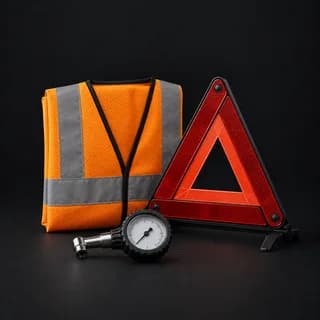
Start with being seen: a hi-vis vest for anyone who might leave the car, plus a torch that does not drain your phone. Add a warm layer or blanket, water, snacks, a charged power bank or car charger, and paper recovery details. In winter, ice scraper, de-icer and screen wash earn their keep most weeks.
What a car kit is actually for
Most people will use a car kit for a flat battery, a closed road or a long wait in traffic rather than anything dramatic. The job is to stay visible, warm enough, and contactable until recovery or the traffic moves.
That is a different brief from a home emergency kit. Space is limited, and a bag that is too elaborate tends to get emptied on the next boot clear-out. Keep it small enough that it stays in the car year-round.
Being seen comes first
High-visibility vests and a warning triangle come first: being seen matters more than anything else on a dark road. Put a vest where you can reach it without unpacking the whole bag.
A dedicated torch belongs in the kit. Using your phone as a light drains the battery you need for calls and maps.
- A hi-vis vest per person who might get out of the vehicle
- A warning triangle if you have space and know how to place it safely
- A torch with spare batteries, not only a phone light
Waiting comfortably
A blanket, bottled water and a few snacks cover the waiting. Foil blankets pack small; a proper fleece or travel blanket is nicer for a long hold-up.
A charged power bank and a car charger cover the phone you will be relying on. Keep recovery and insurance numbers on paper as well as in the phone.
Winter extras you will actually use
In winter add an ice scraper, de-icer and screen wash. These are the items you will use most weeks, which is exactly why they belong in the kit rather than living somewhere you forget them.
Check water bottles after hard frosts: plastic bottles can crack, and a wet boot is a poor place for a power bank.
What this means for your list
Use the builder with the car location selected. It will favour roadside-relevant items and keep quantities closer to a wait than to a multi-day home outage.
Build a boot list for your household
Tell us who usually travels with you and we will turn this into a car checklist with quantities and guide prices.
Build My Car KitCommon questions
- What should be in a basic winter car kit?
- Hi-vis vests, a torch, warmth, water, snacks, phone power, paper recovery details, plus ice scraper, de-icer and screen wash in winter.
- Do I need a full home emergency kit in the boot?
- No. Overpacking means the bag gets dumped. Keep a small roadside kit in the car and a separate home kit where you live.
- How often should I check it?
- Twice a year is enough for most households. Checking when the clocks change is a useful reminder.
Useful sources
- Prepare (GOV.UK)
- Get prepared for emergencies (GOV.UK Prepare)
My Emergency Kit is an independent service and is not affiliated with or endorsed by the UK Government or emergency services. Our suggestions are general information for UK households, not professional, medical or emergency advice. In an emergency call 999.
Keep reading
- What to do in a power cutThe first things to check, who to call, why the fridge should stay shut, and what to do if it goes on for hours.
- How much water should you store?A simple rule of thumb, what it comes to for your household, how to store it without losing a cupboard, and what to do under a boil notice.
- What to put in a grab bagThe short list for a bag you could pick up and leave with: what belongs in it, what does not, and how heavy it should actually be.
- Preparing with young childrenHow to plan around a baby or toddler without making anyone anxious: comfort, routine, and the supplies that are hard to improvise.
- Reviewing your kit twice a yearTen minutes, twice a year, keeps a kit from quietly expiring: dates, batteries, the power bank, and anything borrowed.